India-China Agreement Explained: After 4 Years Eastern Ladakh Border Standoff Resolves - Key Details
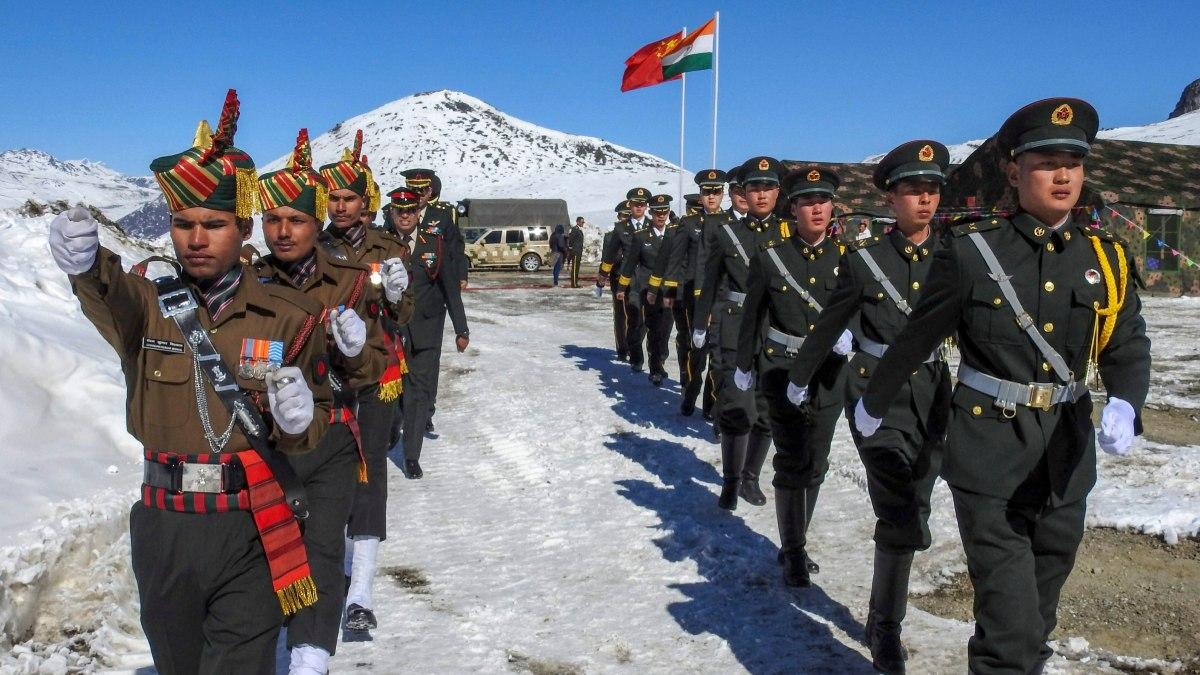
In a significant development that could mark a turning point in India-China relations, China officially confirmed on October 22, 2024, that it had reached a resolution with India to resolve the prolonged border standoff in eastern Ladakh.
This breakthrough comes after years of military tension between the two nuclear-armed neighbours, which escalated in 2020 and has remained a source of concern in regional geopolitics.
Diplomatic and Military Dialogue Yields ResultsChinese Foreign Ministry spokesperson Lin Jian announced the resolution at a press briefing in Beijing, stating that China and India had been in close communication through both diplomatic and military channels to address the border issues.
Over a recent period, China and India have been in close communication through diplomatic and military channels on issues related to the China-India border, Lin Jian stated.
Now the two sides have reached a resolution on the relevant matters, which China speaks highly of.
Going forward, China will work with India to implement these resolutions.
While the Chinese government did not provide specifics of the agreement, the news comes as a positive step towards resolving one of the most tense and dangerous flashpoints in the region.
Indias Announcement of DisengagementIndia, too, confirmed that the disengagement process with China along the Line of Actual Control (LAC) in eastern Ladakh had been completed.
On October 21, External Affairs Minister S.
Jaishankar announced that an agreement had been reached on restoring patrolling rights along the LAC, a key aspect of the border tension that had been unresolved since the violent clashes in 2020.
Jaishankar said, We can say that the disengagement process with China has been completed.
.
.
We will be able to resume the patrolling that we were doing in 2020.
I think its a good development.
The disengagement likely covers the critical areas of Depsang and Demchok, regions that had been points of contention since the military standoff began over four years ago.
These areas hold strategic importance due to their proximity to supply routes and military outposts.
The Four-Year-Long Standoff: A Brief OverviewThe border dispute between India and China reached its peak in June 2020, when both nations troops engaged in violent clashes in the Galwan Valley, resulting in the deaths of 20 Indian soldiers and four Chinese troops.
The skirmish, fought with sticks, stones, and improvised weapons, was the deadliest confrontation between the two countries in over four decades and marked a major escalation in a border conflict that had simmered for decades.
Since then, both sides have maintained a heightened military presence along the disputed areas, particularly in eastern Ladakh.
While rounds of diplomatic and military talks followed, they failed to produce any tangible results until now.
The lack of a clear demarcation along the Line of Actual Control (LAC) and competing territorial claims have made the situation highly volatile.
BRICS Summit and Potential for Improved Bilateral TiesThe announcement of the agreement coincides with the ongoing 16th BRICS Summit in Kazan, Russia, where Indian Prime Minister Narendra Modi and Chinese President Xi Jinping were expected to discuss bilateral issues on the sidelines of the summit.
While the specific details of their conversation are yet to be disclosed, the confirmation of the border agreement points to a broader effort to improve relations between the two Asian giants.
When asked about the bilateral meeting, Chinese Foreign Ministry spokesperson Lin Jian said, We will keep you updated if anything comes up, indicating the possibility of further developments in the India-China relationship.
This agreement could serve as a catalyst for broader discussions aimed at stabilizing bilateral ties, which have been strained since the Galwan Valley clashes.
Both sides appear keen to avoid further military confrontations and work towards peaceful coexistence, at least in the immediate future.
Historical Context of the India-China Border DisputeThe India-China border dispute dates back to the early years of post-colonial India.
The two nations share a 3,488-kilometer-long border, much of which is not clearly demarcated, leading to frequent skirmishes and confrontations.
The most significant conflict between the two nations occurred in 1962, when China defeated India in a brief but decisive war over disputed territories in Aksai Chin and Arunachal Pradesh.
Since then, tensions have flared periodically, with both sides accusing the other of transgressing into their territory.
The 2020 Galwan Valley clash was a stark reminder of how quickly such tensions can escalate into violence, even in an era of nuclear deterrence.
The recent standoff in eastern Ladakh added another layer of complexity to the border issue, as both nations were forced to divert military resources to maintain an uneasy peace in the region.
Implications of the AgreementThe successful resolution of the eastern Ladakh standoff could have far-reaching implications for regional stability.
Here are some of the key takeaways:Resumption of Patrolling: India will now be able to resume patrolling in areas along the LAC, particularly in Depsang and Demchok, where both sides had fortified their positions.
Easing of Military Tensions: With the disengagement process complete, both India and China can now focus on reducing their military presence in the region, potentially lowering the risk of accidental escalations or clashes.
Bilateral Cooperation: The agreement signals a willingness on both sides to resolve disputes through dialogue rather than military force.
This could pave the way for broader discussions on trade, security, and regional cooperation.
Geopolitical Impact: With both India and China being key players in regional and global politics, their ability to manage bilateral relations peacefully will have a stabilizing effect on South Asia and beyond.
Strategic Positioning: The resolution allows India to focus more on other security concerns, such as its borders with Pakistan and internal issues, while China can turn its attention to other geopolitical interests, such as its ambitions in the South China Sea.
Future ChallengesWhile the agreement marks a major step forward, several challenges remain.
The border between India and China is still not clearly defined, and periodic confrontations could arise in the future.
Additionally, the resolution does not address broader territorial claims, such as Chinas claims over Arunachal Pradesh, which remains a contentious issue.
The effectiveness of this agreement will depend largely on how both nations implement the disengagement process and manage future disagreements along the LAC.
Continued dialogue and trust-building measures will be critical in preventing future flare-ups.
Conclusion: A New Chapter in India-China Relations?The resolution of the eastern Ladakh standoff is being hailed as a diplomatic victory for both India and China.
It marks the end of one of the most tense periods in their bilateral relationship in recent history.
While challenges remain, the agreement offers hope that both nations can move towards a more stable and cooperative future.
As the world watches closely, the successful implementation of this agreement could set a precedent for resolving other contentious issues between the two countries and contribute to broader regional peace and security.
.