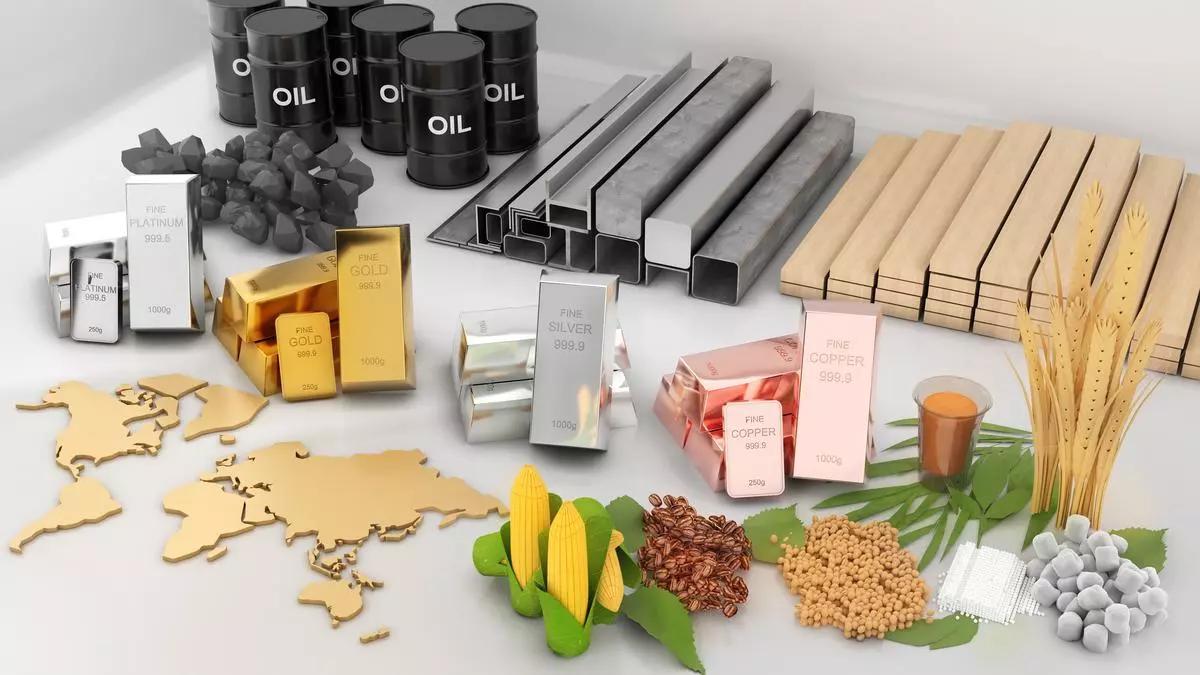
Agri-commodities gain on Trump’s hardline policy talk
Prices of many agricultural commodities increased on Thursday, while crude oil and metals were under pressure as the dollar gained as a fallout out of US President-elect Donald Trump’s ‘protectionist policy’ views.
The rise in the US dollar since the eletions has also swayed the commodities market.
The global grains market has been worried over the US elections particularly since US President-elect Donald Trump was voicing about protectionism.
His rival Kamala Harris, too, talked of similar policies, though not as strongly as Trump
GrainGrowers, an organisation working to increase the profit and sustainability of Australian growers, said it sees grain trade being affected by increasing US trade protectionism and geopolitical tensions.
US trade policies directly impact the dynamics of global trade, it said.
US-China tensions
In its report, Navigating Uncertainty: What the United States Election Means for Australia’s Grain Industry, GrainGrowers said despite political differences, Trump’s policies were protectionist.
It could result in increasing US-China tensions, “intensify trends toward friend-shoring, and further fragment the rules-based global trading order”, it said.
Trump’s America First policy platform includes plans to impose a 60-per cent tariff on Chinese imports and 10 per cent on all other countries.
The policy is critical of multilateral systems such as NATO and the World Trade Organisation.
On the other hand, the dollar has been gaining over the past two sessions.
On Thursday, the rupee slid by 6 paise to 84.
37 a dollar.
While Texas crude oil dropped to $70.
953 a barrel, Brent crude slipped to $74.
4.
Gold was up a tad at $2,665.
11 an ounce but silver slipped to $31.
06 an ounce.
Platinum and palladium slipped.
Copper, steel, iron ore, aluminium, zinc, and nickel gained but tin declined.
On the agriculture front, soyabean, palm oil, wheat, milk, rubber, coffee, cotton, cocoa, sugar and corn gained.
Prospects for commodities such as soyabean, wheat and cotton are bearish in the short-term.
Fuelling ‘protectionism’
According to GrainGrowers, the introduction of US tariffs has the potential to fuel a rise in protectionist measures, contributing to an increasingly unstable global trading environment.
It pointed to World Trade Organisation (WTO) Director-General Ngozi Okonjo Iweala’s warning that Trump’s proposal to impose a 10 per cent tariff could spark a “free-for-all” and affect the stability of international trade.
It could mark a significant escalation in trade tensions and demonstrate the domino effect of protectionist policies, the report said.
For the grains industry, the challenge is that this could fragment the WTO and flare up the persisting US-China tensions.
GrainGrowers Chief Executive Officer Shona Gawel urged the Australian industry and the government to be proactive in supporting trade diversification measures and increasing engagement with South-East Asian markets.
Australia’s success
The report pointed out how Australia succeeded in exporting barley to countries such as Mexico after China imposed tariffs.
It has called for increasing Australia’s Agricultural Counsellor Network which helps expand market access and address non-tariff barriers in South-East Asia.
On the other hand, a recent webinar organised by the Council of Food, Agricultural and Economic Resources (C-FARE) expressed concern over the US-China relationships.
Political tensions between the two countries have increased affecting trade.
China, one of the largest markets for US agricultural products over the past decade, has begun to look for other sources such as Brazil, in crops such as soyabean.
.